Blue Tractor Paint: Navigating the Sustainability Maze
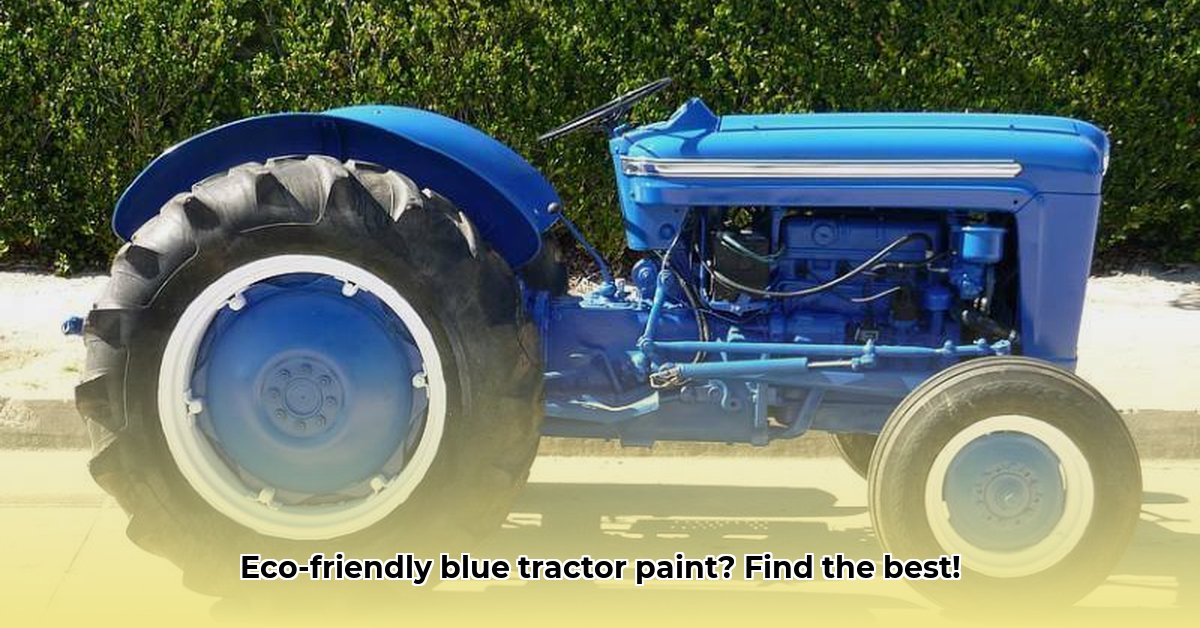
Painting your tractor blue is more than just aesthetics; it's about protecting your investment and the environment. However, selecting truly sustainable blue tractor paint presents a significant challenge. The market is flooded with vague claims, lacking standardized certifications and making informed comparisons difficult. This guide will help you navigate this complex landscape and make a responsible choice. For more information on tractor paint colors by brand, check out this helpful resource: Tractor Paint Colors.
The Challenge of Sustainable Tractor Paint
The current market for eco-friendly tractor paint suffers from a critical lack of standardization. Many manufacturers utilize terms like "eco-friendly" and "sustainable" without providing concrete evidence. This "greenwashing" hinders consumer understanding and informed decision-making. The environmental impact extends beyond the paint's color—production processes, usage, and disposal all play crucial roles.
A key challenge is the absence of universally accepted certifications. This lack of standardization prevents meaningful comparisons between competing brands. Imagine trying to compare the nutritional value of apples and oranges without knowing their respective vitamin and mineral content; that's the current predicament facing consumers of agricultural paint.
Decoding Sustainable Paint Labels: What to Look For
To navigate this confusing market, focus on specific details on paint labels, not just marketing buzzwords. Key factors include:
Volatile Organic Compounds (VOCs): These chemicals evaporate easily and can harm air quality. Lower VOC content is better for both human health and the environment. Look for manufacturers that clearly state their VOC levels. (VOCs are organic chemicals that easily evaporate and can contribute to air pollution.)
Bio-based Resins: These resins are derived from renewable plant sources, as opposed to traditional petroleum-based resins. A higher percentage of bio-based resins indicates a lower environmental impact. Look for a specific percentage showing the bio-based content.
Recycled Content: This refers to the proportion of recycled materials in the paint's production. Higher percentages translate to less waste and a smaller carbon footprint, showing a commitment to resource conservation. Again, specific numbers are critical.
Independent Certifications: While a universal standard for sustainable paint certification is currently lacking, keep your eyes out for certifications from reputable organizations that independently verify sustainability claims. These offer a third-party validation, adding an extra layer of reliability.
Finding Sustainable Blue Tractor Paint: A Practical Guide
Where can you find sustainable blue tractor paint? Let's explore some options and strategies:
Where to Buy:
Tractor Supply Co.: Check their website and in-store options. Carefully read product descriptions, focusing on VOC content, bio-based resins, and recycled materials. Contact their customer service if you require additional information.
Amazon: Amazon's wide selection requires cautious navigation. Use search filters to find products emphasizing eco-friendly attributes. However, always verify these claims on the manufacturer's website or through reputable sources.
What to Look For:
- Low VOCs: Essential for cleaner air.
- High Bio-based Resin Content: Indicates the use of renewable resources.
- Recycled Content: Demonstrates a commitment to waste reduction.
- Third-Party Certifications (if available): Provides additional credibility.
- Transparency: Choose manufacturers open about their processes and ingredients.
Brands to Consider: A definitive list of consistently sustainable blue tractor paint brands is currently unavailable. Thorough research is essential. Check manufacturers' websites for sustainability reports, search for eco-labels, and read independent reviews.
The Future of Sustainable Agricultural Paint
The future depends on several key factors: stricter regulations to curb greenwashing, increased consumer demand for transparency, and continued innovation in sustainable materials and production methods. The agricultural paint sector is evolving, and progress is expected in the coming years with more eco-conscious options.
Conclusion: A Greener Approach to Tractor Maintenance
Choosing sustainable blue tractor paint is a responsible step toward a greener future. By understanding the challenges, decoding labels, and making informed choices, we can collectively drive the agricultural paint industry toward greater environmental responsibility. Even small choices can create significant cumulative positive impact.